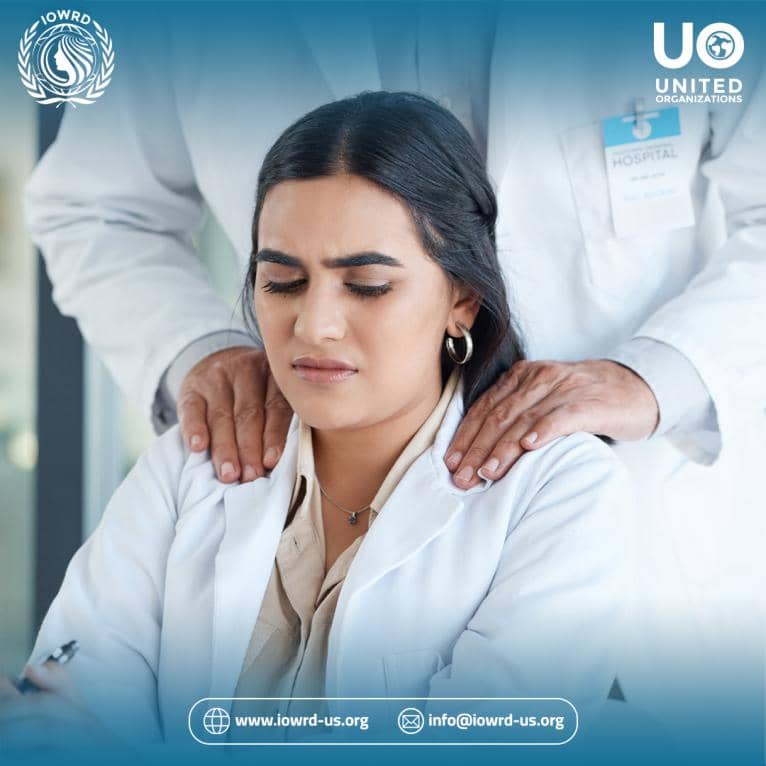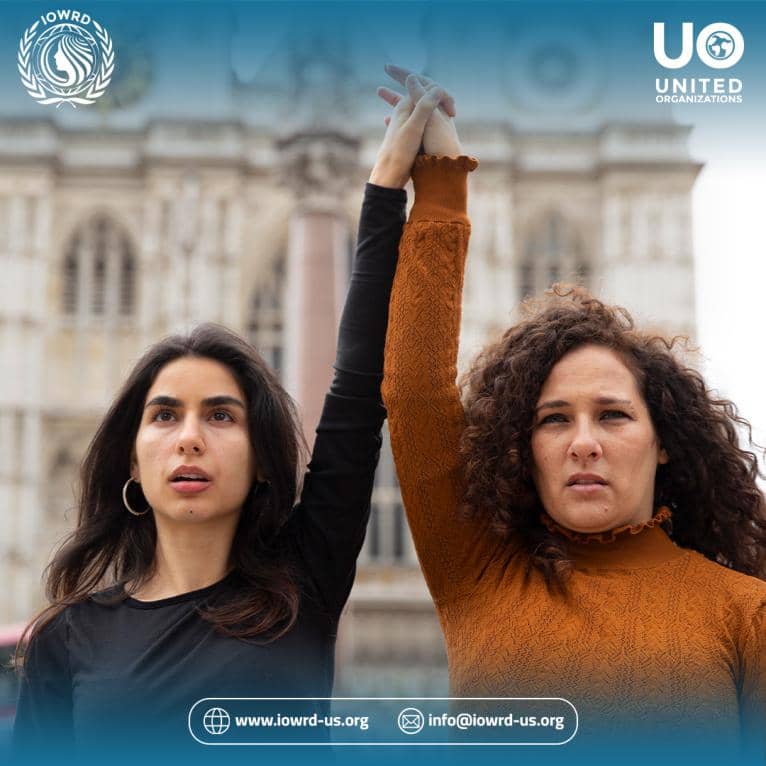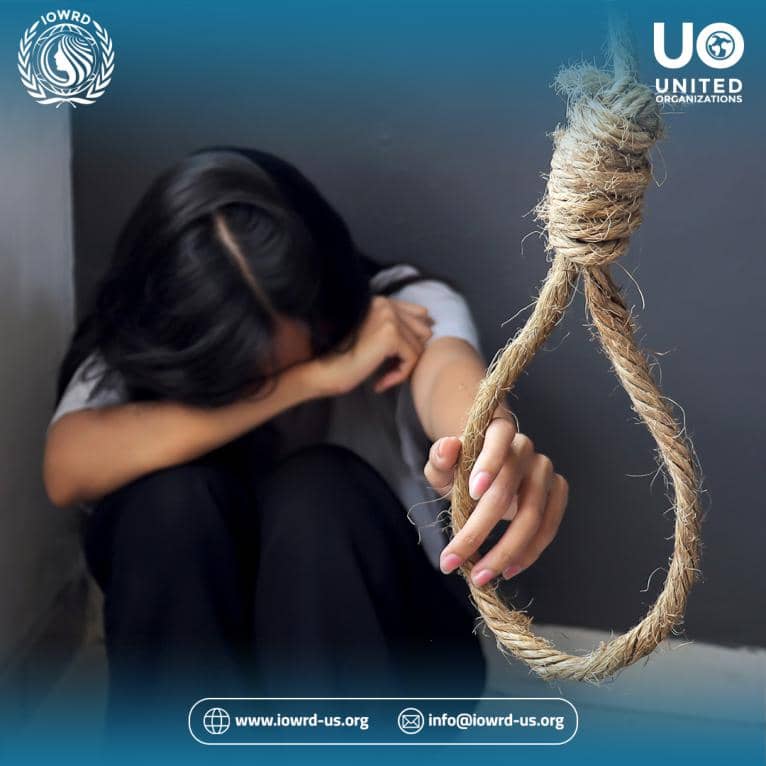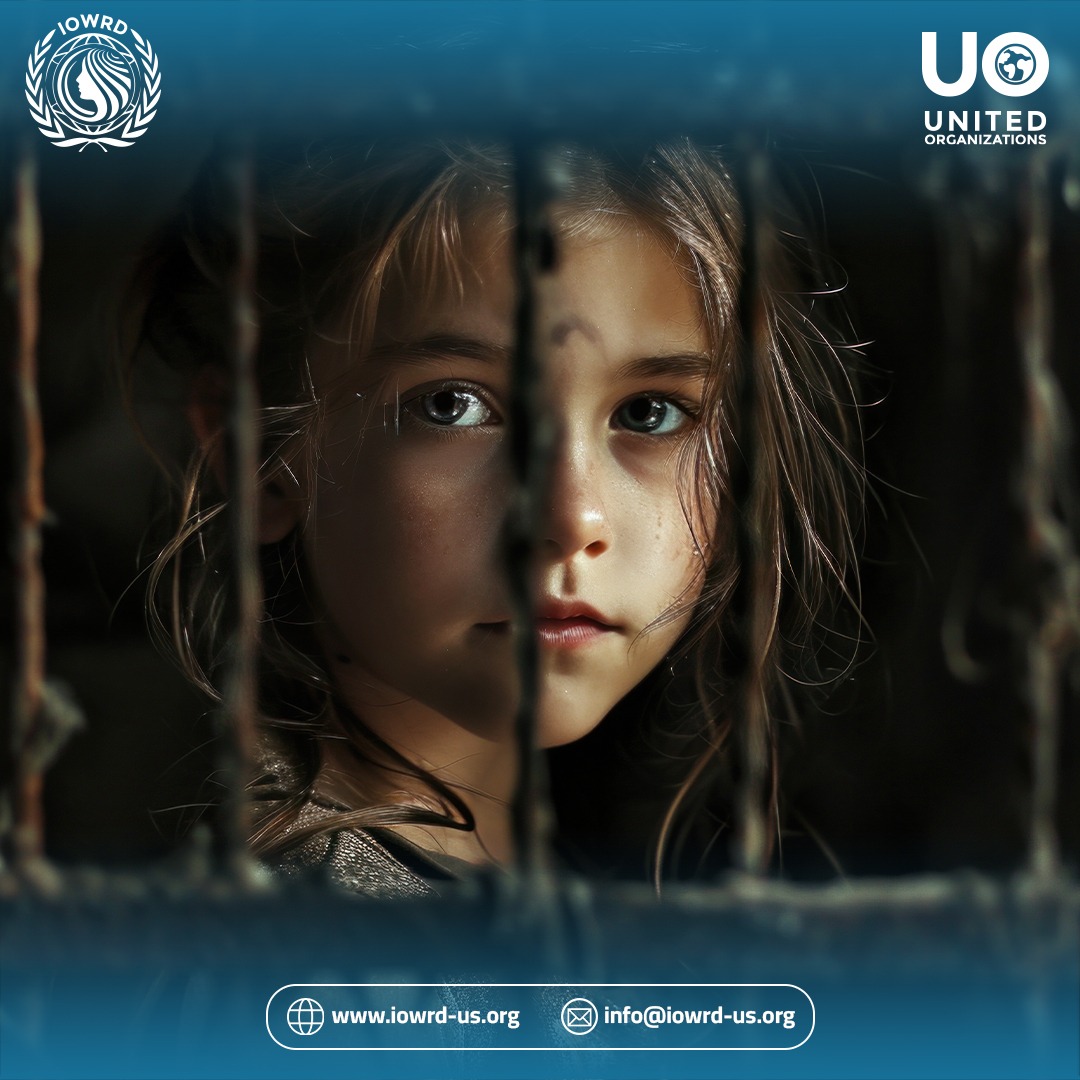

Gender-based violence against girls—manifested in abduction, early and forced marriage, sexual exploitation, and human trafficking—is a heinous crime whose devastating effects rob them of their future and deprive them of their fundamental rights to education, health, safety, and development.
These practices are not merely individual violations, but rather complex societal phenomena rooted in misconceptions about the role of women, a lack of awareness of human rights, and weak legal systems and oversight institutions.
International Legal Dimensions of Combating Gender-Based Violence
International laws and conventions condemn all forms of violence against girls as a flagrant violation of human rights. International conventions are the cornerstone of efforts to combat this phenomenon:
▪️The Universal Declaration of Human Rights (1948):
Affirms the right to life, liberty, and security of person; the right to education; and the right not to be subjected to torture or cruel, inhuman, or degrading treatment.
▪️Convention on the Elimination of All Forms of Discrimination against Women (CEDAW) (1979):
Obligates States Parties to take the necessary measures to eliminate discrimination against women in all areas, including early and forced marriage.
▪️Convention on the Rights of the Child (1989):
Sets standards for protecting children from all forms of exploitation and abuse, and affirms the right of girls to education and protection.
▪️Optional Protocol to CEDAW on Complaints Mechanisms (2000):
Allows individuals to submit complaints to the Committee on the Elimination of Discrimination against Women regarding violations of the Convention.
▪️Convention against Torture and Other Cruel, Inhuman or Degrading Treatment or Punishment (1984):
Prohibits torture and cruel treatment, including systematic violence against girls.
▪️The United Nations Convention against Transnational Organized Crime (2000) and its Protocols:
These instruments specifically address human trafficking, including the trafficking of women and girls for sexual exploitation.
They provide a comprehensive framework for combating gender-based violence and obligate states to take legislative, judicial, and administrative measures to ensure the protection of girls, hold perpetrators accountable, and provide redress for victims.
International Action by International Organizations
The International Organization for Women’s Rights (IOWRD) is distinguished by its approach, which combines scientific research with legal and human rights advocacy to protect the future of girls. Its supportive role is reflected in the following:
1- Emphasizing Inclusion in Negotiations and Decision-Making Centers:
The organization believes that the absence of girls and women from decision-making processes further marginalizes their issues. Therefore, its role focuses on emphasizing the importance of including women leaders and survivors in drafting security and educational laws, in coordination with legislative bodies.
2- Supporting Emergency Response and Protecting Survivors:
The organization acts as a liaison through a network of partners to provide urgent legal and psychological support services to girls who have experienced gender-based violence, and to contribute to their rehabilitation and reintegration into education.
3- Supporting Economic Empowerment and Capacity Building:
Contributing to the support of specialized programs to build the capacities of adolescent girls who have been deprived of formal education, and equipping them with practical skills that ensure their financial independence and protect their future.
In conclusion, gender-based violence against girls is a blatant violation of human rights and a destruction of the future of entire generations.
Protecting our girls and ensuring their future is a collective responsibility that falls on governments, communities, and individuals. We must all work together to ensure that every girl enjoys her right to education, safety, and the free choice of her future. Investing in the education and empowerment of girls is an investment in a more just and prosperous future for all.