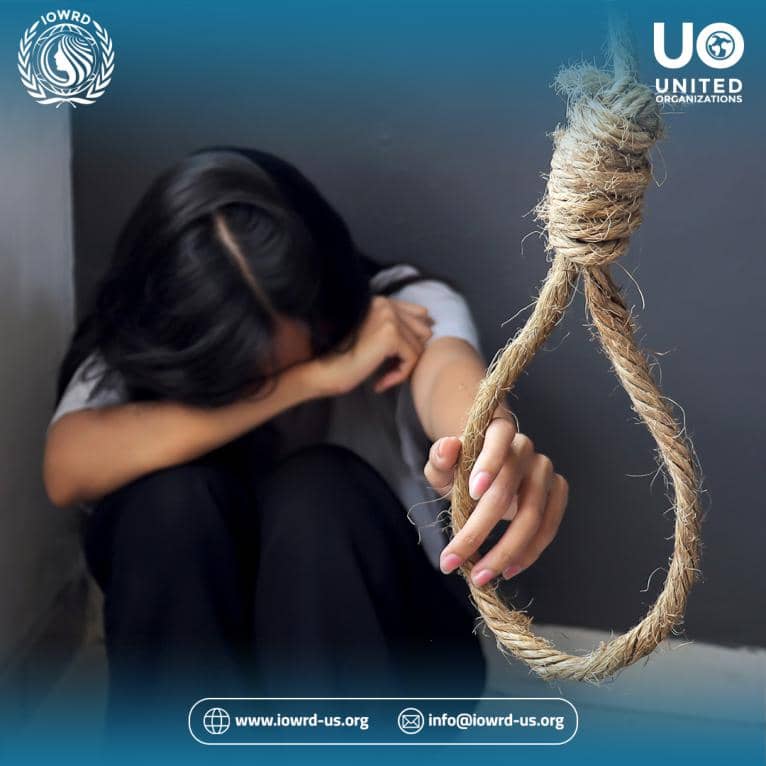

In a world where the pace of life accelerates and challenges increase, the issue of suicide among women and girls remains a deep, silently bleeding wound, revealing the fragility of the human psyche in the face of life’s pressures.
It is a complex phenomenon where threads of psychological pain, social pressures, and cultural factors intertwine to create a painful reality that demands reflection, deep understanding, and a serious response.
The Roots of Pain: Why Do Girls and Women Reach the Brink?
The causes of suicide cannot be reduced to a single factor. Rather, they are often the result of a complex interaction between multiple factors, rooted deep in the human and social experience:
First: The Specters of Mental Health:
Mental health disorders, most notably depression, stand as a primary culprit. Chronic feelings of sadness, loss of passion, despair, and worthlessness can drive a girl or woman to see death as the only escape from unbearable pain. Added to this are anxiety disorders, which stifle the spirit with fear and tension, and post-traumatic stress disorder (PTSD), which leaves deep scars from traumatic experiences such as violence and abuse. Even eating disorders, often linked to self-esteem issues, can carry a hidden danger.
Second: Societal Restrictions and the Weight of Expectations:
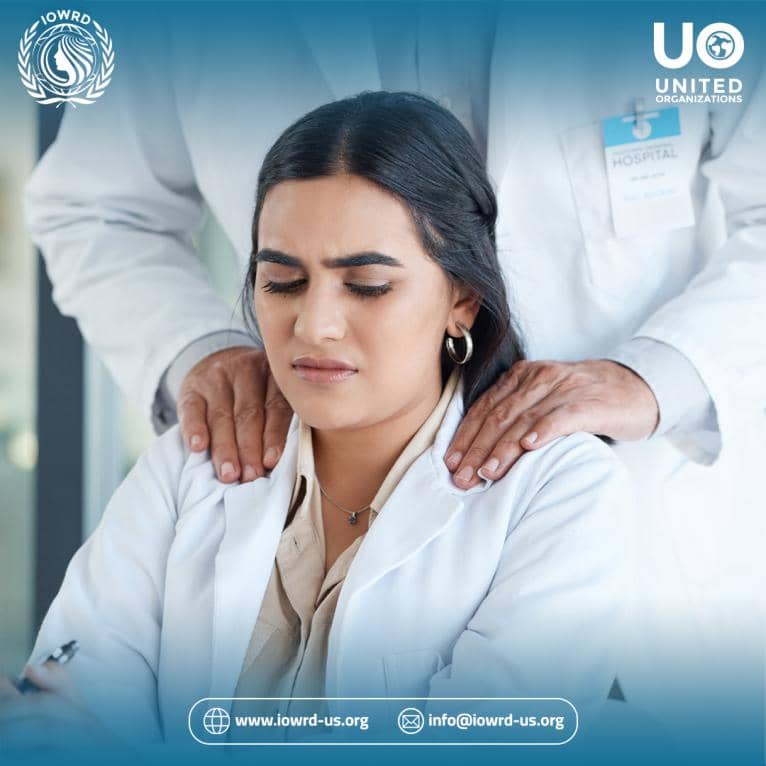
In many societies, women and girls live under the weight of sexism and inequality, generating feelings of frustration and worthlessness. Rigid gender roles impose burdensome expectations, while the stigma surrounding mental health leads many to prefer suffering in silence rather than seeking help.
Third: The Shadow of Violence and Abuse:
Domestic and sexual violence, and harassment in any form, are powerful risk factors that destroy self-confidence and generate a profound sense of despair. These traumatic experiences can devastate an individual’s mental well-being, pushing them to the brink of collapse.
Fourth: Fragility of Human Relationships:
The loss of important relationships, whether through separation, divorce, or death, can cause a profound sense of loneliness. Family relationship problems, ongoing conflicts, and feelings of neglect also negatively impact mental health.
Fifth: Harsh Economic and Social Conditions:
Poverty, financial instability, and social isolation increase stress and frustration levels, making individuals feel they are facing their problems alone.
A Glimmer of Hope: Effective Prevention Strategies
Addressing this phenomenon requires concerted efforts and building bridges of hope and support. Effective strategies, which focus on:
1. Promoting Mental Health and Psychological Support:
This requires providing affordable and accessible mental health services, with a focus on early intervention through training community personnel to recognize warning signs. Psychological support programs in schools and universities, individual and group psychotherapy, and support groups are all essential tools to empower individuals to overcome difficulties.
2. Combating Violence and Discrimination:
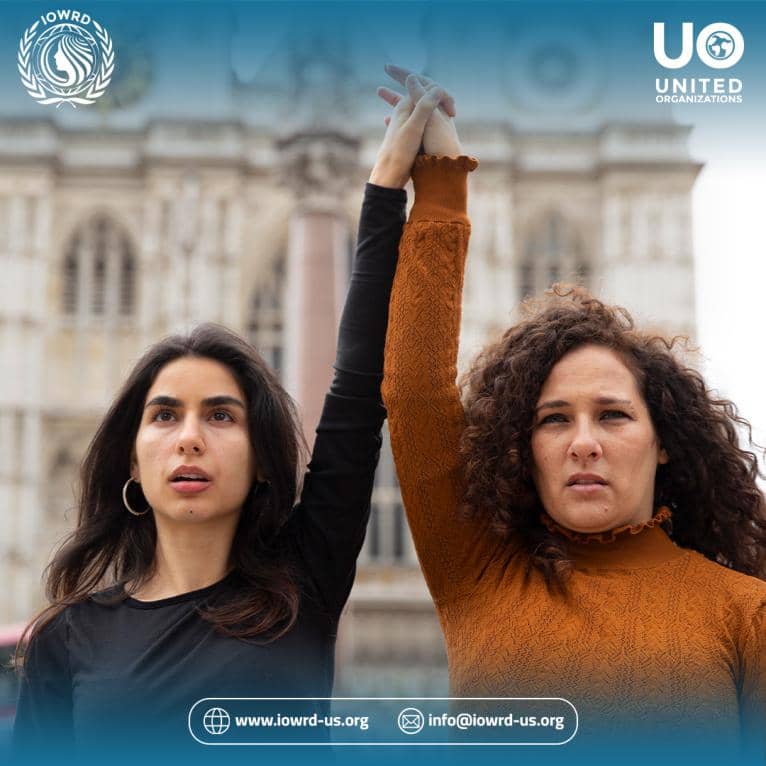
Eliminating gender-based violence, promoting gender equality, and providing safe environments are essential steps for building a society that respects and values women.
3. Changing Societal Perceptions and Breaking the Stigma:
Communities need public awareness campaigns aimed at changing the negative view of mental health, educating about it from a young age, and encouraging a culture of seeking help without fear.
4. Supporting Family and Social Relationships:
Strengthening family communication, building strong social support networks, and supporting parenting create a safe and supportive environment for individuals.
5. Restricting Access to Means of Suicide:
Taking practical measures such as regulating access to firearms and toxic substances, and securing access to dangerous medications, can reduce the chances of tragic incidents.
The Role of International Organizations: A Voice of Hope and Shared Responsibility:
Amid these challenges, international organizations, especially those concerned with women’s rights such as the International Organization for Women’s Rights (IOWRD), play a pivotal role. It is not just a donor organization; it is a voice for change, a platform for sharing experiences, and a vital supporter of local organizations working on the ground. By advocating for strong national policies, providing funding and support, and monitoring and evaluating efforts, this organization contributes to building a safer and more supportive world for women and girls.
A Call for Awareness and Responsibility: A Brighter Future Starts with Us
Suicide is not a weakness; it is often the result of deep psychological pain that a person cannot bear alone. Understanding the underlying causes, providing a supportive environment, and encouraging open dialogue about mental health are essential steps toward prevention.
A Message to Every Woman and Girl:
You are not alone. There is always hope, and there is always someone who cares. Don’t hesitate to ask for help, whether from friends, family, professionals, or relevant organizations. Your voice matters, and your life is precious. Let’s work together, as individuals, communities, and nations, to create a world where everyone feels safe, supported, and valued—a world where hope shines brightly on life’s journey. Our shared responsibility is to build a bright future, free from pain, and full of opportunity and dignity for all.