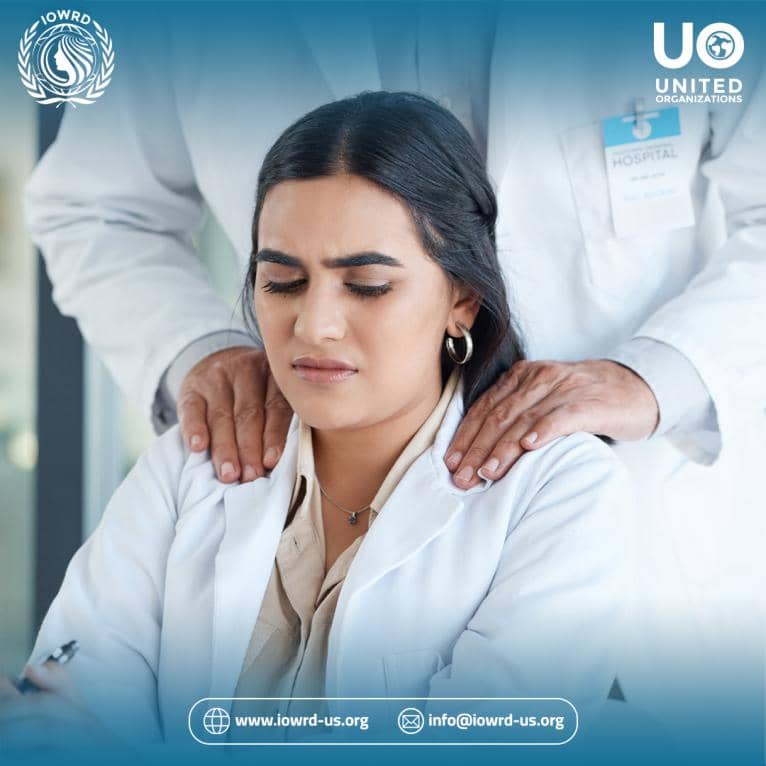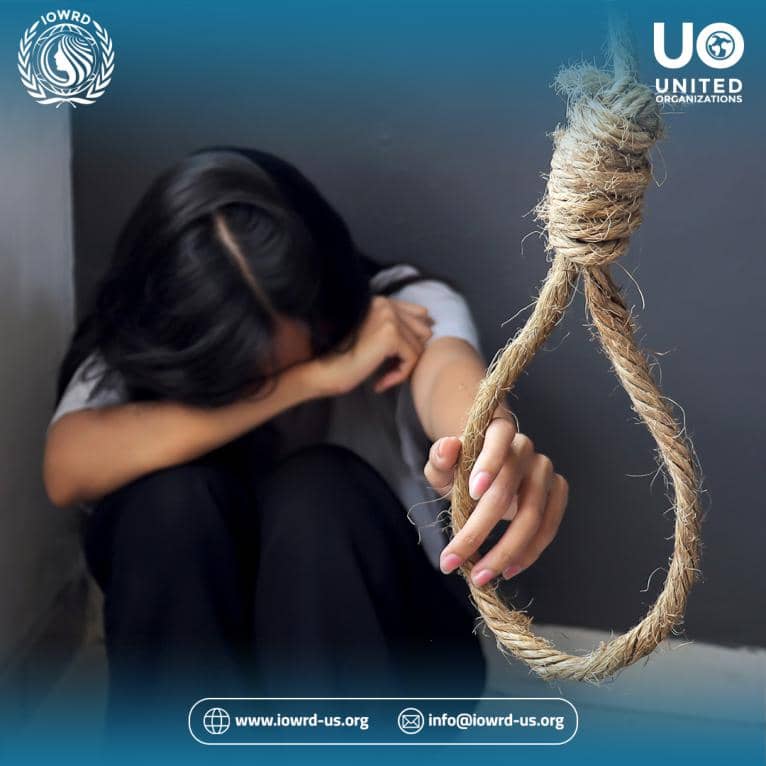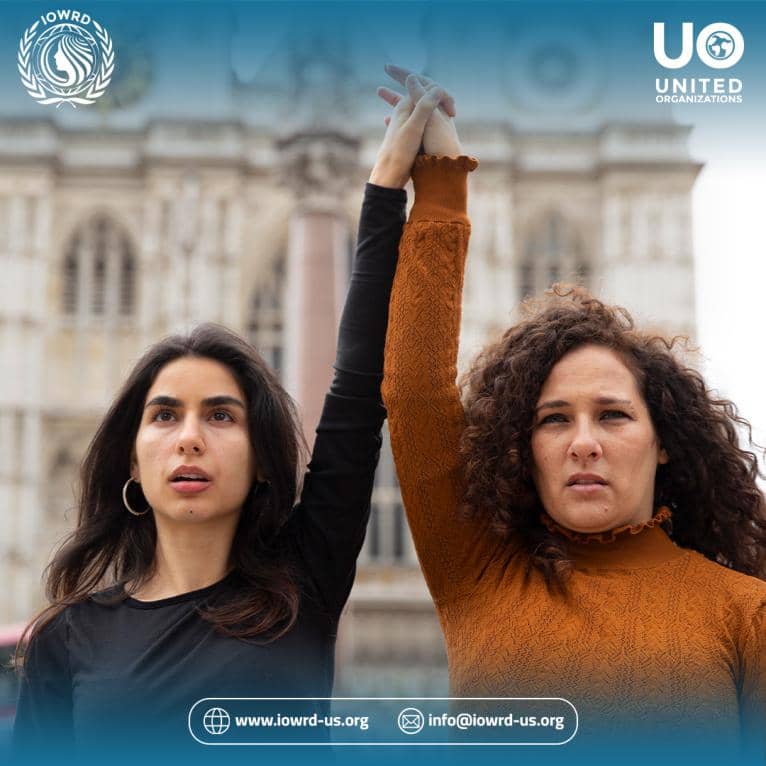

Women don’t migrate with their bodies alone; they migrate carrying a complete cultural memory and a long history of values and customs. When an immigrant woman sets foot on Western soil, an invisible journey of psychological and social confrontation begins.
She suddenly finds herself facing an existential challenge: how to integrate into a new society without being absorbed by it? And how to preserve her authentic heritage without becoming a stranger in her adopted homeland? This complex balance is the essence of the “identity struggle” that immigrant women wage daily behind the walls of exile.
First: Identity Crises: Living in the Gray Zone
The life of an immigrant woman is divided between two contrasting cultural spaces, creating what is sociologically known as “hybrid identity” or living in the gray zone:
* A Crisis of Dual Belonging: The woman feels “foreign” in her adopted country due to her features and culture, and “alienated” in her homeland when she returns, having to change some of her behaviors.
* The Dichotomy of Acceptance and Rejection: The desire to adopt Western values of independence sometimes clashes with the “guilt” of abandoning the strict traditions of her original society.
* Constant Psychological Pressure: Living a double life; a traditional, conservative face at home to please the family, and a modern, open face outside the home to keep up with the demands of work and society.
Second: Fronts of Confrontation: The Most Prominent Daily Challenges Facing Immigrant Women
The struggle for identity is not limited to psychological dimensions; it translates into tangible daily challenges that women face in the details of their lives:
* The Language Challenge: The absence of the host language represents a barrier that hinders women’s expression of their inner selves and reduces their opportunities for economic and social empowerment.
* Isolation and Loss of Support: Immigrant women lose the family and social safety net (mothers and neighbors) that used to support them, which intensifies their feelings of loneliness and exhaustion.
* Reconciling Two Worlds: Trying to balance the demands of a fast-paced Western job with the traditional expectations of their families, who demand that they fulfill their role as homemakers without fail.
* Cultural Stigma: Constant anxiety about judgment; they are accused of being backward by the West if they adhere to their customs, or of abandoning their community if they integrate into the new society.
Third: The Hammer of Heritage and the Anvil of Assimilation: Dual Pressures
Immigrant women face conflicting pressures from two fronts, each demanding compromise:
* Pressures from Western society (forced assimilation):
These pressures manifest as stereotyping and the reduction of the immigrant woman to a “vulnerable victim” in need of liberation, alongside discrimination in the labor market (especially for women who wear the hijab) and the demand for complete assimilation as the sole criterion for modernity.
* Pressures from family and community of origin (guarding traditions):
Women are seen as “faithful guardians” of moral values, and any change in their behavior is interpreted as rebellion, while patriarchal control continues to transcend borders.
Fourth: The Generation Gap: The Conflict Between Mothers and Children
The cultural conflict is most pronounced within the family between mothers and their children born in the West:
* The Language Barrier: Children grow up with the language of the host country as their primary means of thinking, while the mother clings to her mother tongue, creating an emotional gap in daily communication.
* * Divergent Moral Values: Children adopt Western concepts of individualism and personal freedom, while the mother tries to apply the standards of her conservative, collective society, leading to sharp clashes.
Fifth: A Path to Success: Conscious Strategies and the Role of International Organizations
To prevent immigrant women from assimilating or becoming isolated, practical strategies emerge that can create a flexible cultural bridge:
* Purposeful Selective Integration: Adopting positive Western values (such as respect for the law, work, and productivity) while preserving the warm spiritual and moral values of their original heritage.
* Open Family Dialogue: Transforming the home into a safe space for discussing identity with children, instead of imposing rigid rules that provoke passive rebellion.
The Role of Organizations and the International Organization for Women’s Rights as a Strategic Partner:
Human rights institutions and international organizations (such as UN Women and the International Organization for Women’s Rights (IOWRD)) are a vital lifeline on this journey through:
* Legal Protection: Providing hotlines and safe shelters for migrant women who are victims of domestic or cultural violence resulting from their rejection of strict patriarchal restrictions.
* Specialized Psychological Support: Providing therapists who understand the cultural background of migrant women to help them overcome the trauma of migration without making them feel guilty.
* Empowerment Platforms: Launching language and skills development workshops, transforming migrant women from being portrayed as “vulnerable victims” in the media to being “influential leaders” proud of their multifaceted identities.
In conclusion: Identity is not a prison, but a bridge.
The identity of migrant women should not be a battleground, but a space for creativity and mutual enrichment. True integration does not mean stripping away and dissolving into the other, just as preserving authenticity does not mean isolation and a rejection of progress. Western societies and migrant women must realize that women’s strength The migrant woman’s essence lies in her difference and her unique ability to weave together the threads of two cultures. Identity is a living entity that grows and expands, and the woman who succeeds in reconciling her authentic values with her new acquisitions does not become fragmented, but rather becomes a human being who transcends cultures, inspiring, and capable of giving the world the most beautiful images of coexistence, peace, and diversity.
Reliable Sources and References
1. UN Women: Policy Reports on Migrant Women, Multiculturalism, and Multiple Discrimination (2024-2025).
2. International Organization for Migration (IOM): Regional Studies on the Challenges of Migrant Women, Generational Gaps, and Identity Trauma in Countries of Displacement.
3. Bhugra & Becker (PMC Medical Journal): “Migration, Cultural Bereavement, and Cultural Identity”—A Study on the Psychological Effects of Loss of Cultural Norms and the Challenges of Adjustment.
4. Intersectionality Theory Research: Published studies examining the intersection of gender, race, and legal status in shaping women’s identity in Western societies.