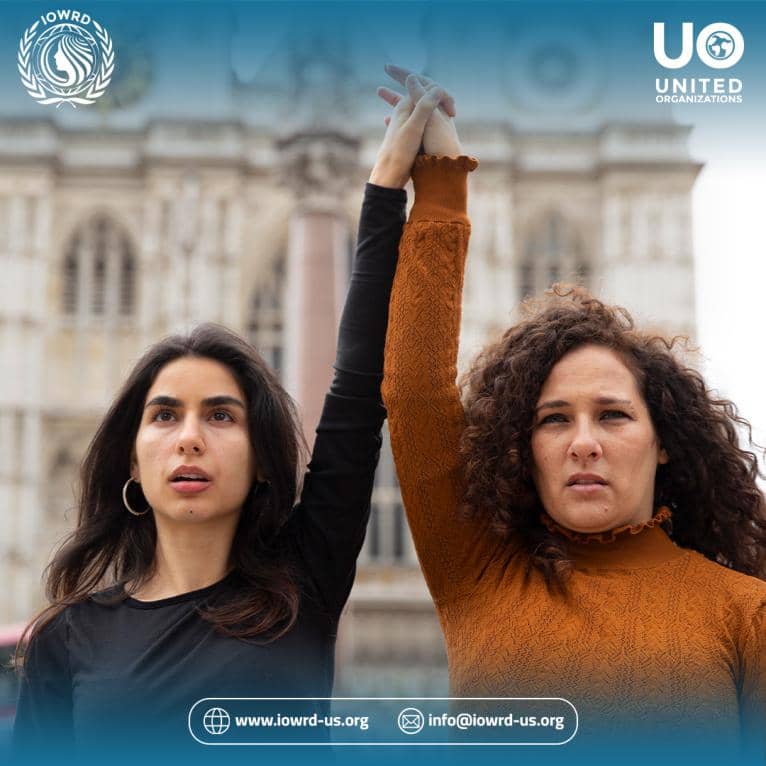

The inclusion of women in decision-making processes, particularly in the areas of peace and security, plays a crucial role in building more stable and sustainable societies. The unique perspectives and experiences that women bring enrich discussions, lead to more inclusive solutions, and enhance the effectiveness of peace processes.
Women, Peace and Security Agenda: Why Do Peace Negotiations Succeed When Led by Women?
Research and statistics show that peace negotiations in which women participate or lead are more successful in achieving lasting agreements. This is due to several key reasons:
1. Focus on Cross-Cross-Scale Issues:
Women often tend to focus on broader issues in peace negotiations, including social justice, human rights, reconstruction, and basic services.
2. Negotiation and Mediation Skills:
Many women possess strong negotiation and collaboration skills, as well as the ability to build bridges and reach consensus.
3. Broader Community Representation:
The inclusion of women ensures better representation of diverse segments of society, including women, girls, and other marginalized groups who may be disproportionately affected by conflict.
4. Focus on Violence Prevention:
Women often focus on preventing future violence, including sexual and gender-based violence, as an integral part of peace agreements.
5. Direct Experience of Conflict:
Women are often among the first to be affected by conflict and bear a heavy burden in maintaining their families and communities.
Prominent Examples of Successful Peace Negotiations Led by Women
Numerous examples demonstrate how women’s leadership and active participation have made a significant difference in achieving peace. Here are some of the most prominent examples and their significance.
1. Liberia (2003):
Liberian women, led by Leymah Gbowee, spearheaded a powerful peace movement that pressured warring parties to end the civil war. They organized peaceful sit-ins, increasing the pressure on negotiators.
This movement proved that women-led grassroots pressure can be a decisive force in ending conflicts.
2. Colombia (2016):
Women played a crucial role in ending decades of armed conflict. Women participated in dialogue and negotiation committees and contributed to including issues such as transitional justice, victims’ rights, and the gender dimension of the conflict in the final agreement.
3. Northern Ireland (Good Friday Agreement 1998):
Although male leaders signed the final agreement, women from diverse communities were at the forefront of grassroots peacebuilding efforts, working towards reconciliation, supporting victims, and advocating for dialogue.
4. South Africa (End of Apartheid):
Women were at the forefront of the struggle against apartheid, leading massive efforts in community organizing, lobbying the government, and participating in informal dialogues that paved the way for formal negotiations.
The Role of International Women’s Rights Organizations in Promoting Women’s Participation in Decision-Making and Peacebuilding
International and local women’s rights organizations, particularly the International Organization for Women’s Rights (IOWRD), play a vital role in empowering women and promoting their participation in peace and security initiatives. Its main roles include:
1. Advocacy:
This organization works to pressure governments and international institutions to adopt policies that support women’s participation in decision-making, including the implementation of UN Security Council resolutions such as Resolution 1325 on Women, Peace and Security.
2. Capacity Building and Training:
The organization provides training programs for women to enhance their skills in leadership, negotiation, mediation, political analysis, and advocacy, enabling them to participate effectively in peace processes.
3. Providing Support and Resources:
It provides financial, logistical, and technical support to local women’s organizations and women-led initiatives in conflict zones.
4. Raising Awareness:
It works to raise public awareness of the importance of women’s role in peace and security and to highlight the challenges women face in this area.
5. Monitoring and Accountability:
These organizations monitor the extent to which governments and international institutions adhere to their commitments related to women, peace, and security and work to hold parties accountable for any shortcomings.
6. Facilitating Communication and Networking:
This helps build networks among women active in peace and security, fostering the exchange of experiences and mutual support.
In conclusion, the full and meaningful participation of women in all stages of peace and security decision-making processes is not merely a matter of social justice, but a strategic imperative for building lasting and sustainable peace. Addressing the complexities of modern conflicts requires comprehensive perspectives, a collaborative approach, and a commitment to the human rights of all.
Investing in women’s empowerment in peace and security is an investment in a safer and more prosperous future for everyone.
Real Sources (Examples of types of sources to consult):
▪️UN Women Reports:
UN Women regularly publishes reports and studies on the role of women in peace and security, including reports on the implementation of Resolution 1325.
▪️Stockholm International Peace Research Institute (SIPRI): SIPRI provides analyses and research on conflict and peace, often including aspects related to the role of women.
▪️Research centers and universities: Many universities and research centers around the world publish studies and research papers on women, peace and security