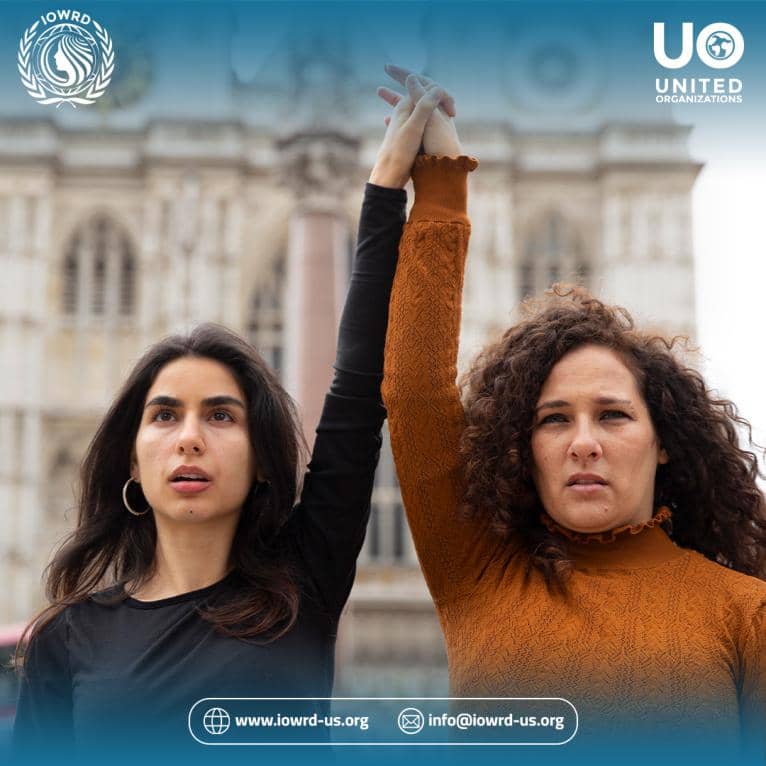

Competence is questioned, and positions are earned: When merit speaks the language of challenge
Behind the heavy doors of boardrooms, where decisions are made that shape the destinies of societies and drive entire markets, women’s presence remains more like a seat granted hesitantly than an earned right. Despite the accumulated knowledge and leadership achievements demonstrated by female talents who have raised the bar in sectors once considered the exclusive domain of men, the question of “merit” still echoes subtly in evaluation and nomination criteria. The term “competence” is applied to women as if it were a hypothesis requiring renewed and repeated proof, while it is granted to men as an unquestionable truth, beyond discussion or scrutiny.
The Glass Ceiling of Promotion: When Competence Collides with Hidden Bias
Institutional merit is not measured by qualifications alone, but also by deeply rooted cultural standards that influence promotion paths. As soon as a woman assumes a leadership position, she is placed under intense scrutiny, while similar male performance is interpreted as “normal.” Governance indicators suggest that promotion opportunities in senior management positions still favor men, even when competence is equal, fueled by an unconscious bias that interprets female confidence as assertiveness and male assertiveness as leadership. This gap is further exacerbated by informal promotion networks and standards that define the “ideal leader” according to a dominant male model. Consequently, female talent remains concentrated at the middle management level, despite its strategic readiness, as promotion pathways are managed through male-dominated inner circles, turning the climb to the top into a labyrinth of invisible obstacles.
A Wage Gap and Unreported Figures: A Reality That Challenges Competence
The gender pay gap reflects structural biases in the evaluation of work itself, with women in many sectors earning less than their male counterparts in identical positions. This disparity stems from interconnected institutional factors: the difficulty of negotiating compensation packages in environments that tend to marginalize women’s demands; the reduction of their managerial expertise to “coordination skills” that are less financially valuable than the strategic skills attributed to men; and the lack of transparency in salary structures, which masks gender-based discrimination. These practices not only undermine professional trust but also squander qualified human capital that could have driven organizational performance.
The New Breadwinner: The Burden of Living on Women’s Shoulders
Women’s role in the family income is no longer limited to supplementary contributions. The majority of working women have become primary breadwinners for their families, bearing the burdens of expenses, education, and caregiving, either in partnership with men or alone, given the changing family structure. Despite this, some institutional structures still treat them according to outdated assumptions that label them “secondary breadwinners.” This contradiction directly impacts women’s ability to assume leadership positions that require time flexibility, a situation not supported by modern employment policies. While women efficiently manage complex household budgets, their expertise is sometimes overlooked in the management of large organizations. At the same time, the lack of institutional support exacerbates burnout rates, limiting the sustainability of their careers and jeopardizing their livelihoods.
The Role of Women’s Rights Organizations: From Community Mobilization to Policy Engineering
Faced with this disparity, women’s rights organizations emerge as a crucial force for achieving balance. Organizations like Women’s Rights International play a pivotal role in documenting structural gaps, advocating for transparent wage policies among governments and companies, and designing mentorship programs that accelerate women’s access to boards of directors. Through international alliances and awareness campaigns, these organizations strive to shift the discussion from “women’s empowerment as a gift” to “leadership diversity as an institutional imperative that fosters innovation and performance.” Their efforts extend beyond simply monitoring violations; they provide measurable indicators that compel decision-makers to hold themselves accountable to genuine standards of corporate justice.
When Equality Becomes Equated with Growth
The challenge of “merit” on boards of directors is no longer just a women’s issue, but a test of the maturity of institutions and their ability to invest in their human capital efficiently, separating professional merit from gender identity. When women’s talents are restricted by outdated management structures, not only are women wronged, but labor markets are burdened and sustainable growth is slowed. It is time for companies to move from mere formality to equitable promotion policies and fair wages that reward actual achievement, not traditional classifications. Equality is not a favor to be granted, but a strategic investment that ensures staying ahead of the competition and preserves the dignity of human labor.
List of Sources and References:
World Economic Forum (WEF): Global Gender Gap Report (2024): Progress and Challenges in the Labor Market and Corporate Leadership
weforum.org/reports
International Labour Organization (2023): Gender Pay Gap Report: Structural Causes, Standardized Measurements, and Corrective Policy Frameworks
ilo.org/global/topics/equality
Organisation for Economic Co-operation and Development (OECD). (2022). Indicators of Gender Equality in Employment, Wages, and Promotion Opportunities in Large Companies.
oecd.org/gender/data
World Bank. Development and Employment Report (2024): Shifting Economic Roles for Women and Rising Household Dependency.
worldbank.org/en/topic/gender