
Recent decades have witnessed radical transformations in the legal and social status of women. Their struggle for rights has shifted from the arenas of traditional laws based on marital subordination and the “house of obedience” to the horizons of the digital age and the challenges of cybersecurity. Despite tangible legislative achievements, the law, in some aspects and contexts, still restricts women’s financial and legal freedom, replacing traditional tools of control with legislative loopholes and digital shortcomings that limit their independence and protection.
First: From the “House of Obedience” to the Restrictions of Financial Independence (Traditional Inheritance)
Women have long suffered from personal status laws and traditional legislation that enshrined the concept of legal subordination. This has historically manifested itself in:
* The House of Obedience: Legally compelling the wife to return to the marital home, which for years negated her physical and moral independence.
* Guardianship over Finances: Imposing indirect restrictions in some societies on women’s financial management, especially in banking transactions or the management of minors’ funds.
* The gap between text and application: Although Islamic law and numerous civil laws guarantee women independent financial status, social pressures and subsidiary legislation (such as loan conditions or mandatory guardianship) continue to restrict this status.
Second: The digital space and the age of “cybersecurity”… a different kind of siege
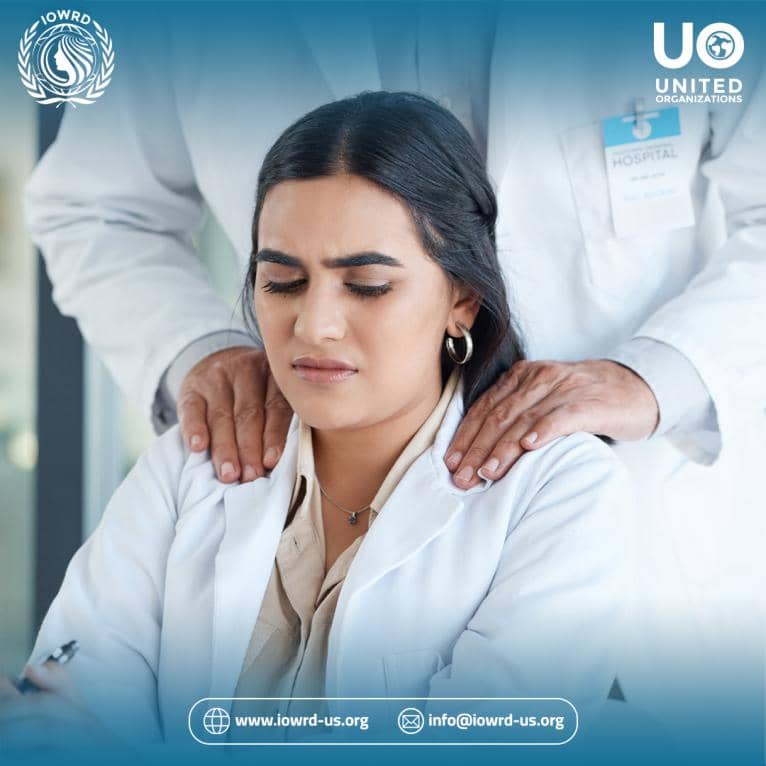
With the digital transformation, new forms of violence and restriction have emerged targeting women’s digital and financial autonomy. Women today face:
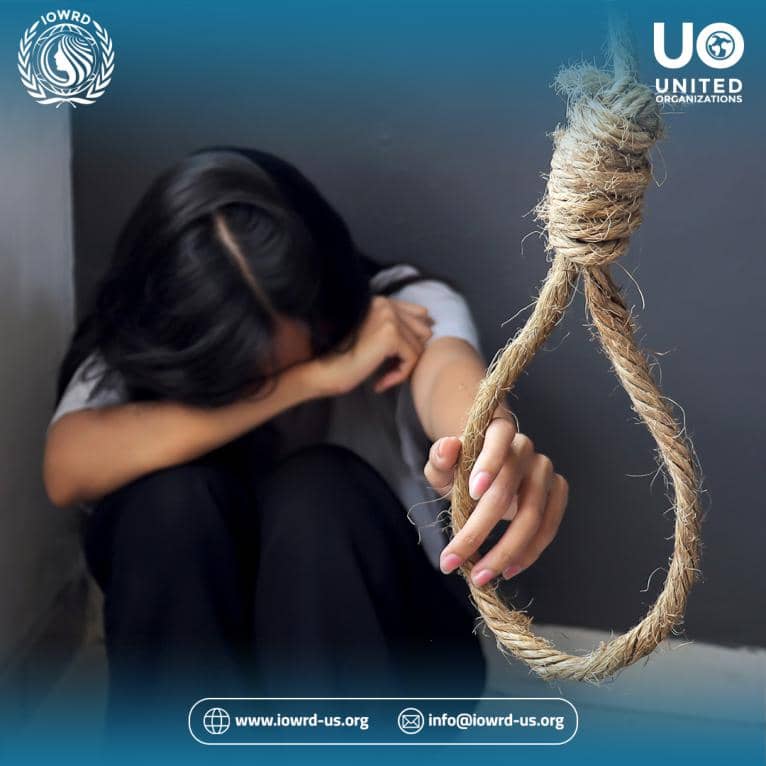
* Cyber violence and blackmail: Exploitation of personal data and images to blackmail women financially and socially, forcing them to withdraw from the digital space.
* Digital identity theft: Hacking into women’s bank and business accounts, exploiting gaps in digital security awareness.
* Digital legislative shortcomings: Many national laws lack deterrent provisions that precisely criminalize gender-based violence in cyberspace, leaving women’s legal protection incomplete.
Third: The Role of International Organizations in Dismantling the Legal Blockade
International organizations play a pivotal role in advocating for the modernization of legislation and transforming women’s issues into global legal obligations:
* UN Women: Leads international efforts to integrate women into the technology sector and enhance their cyber resilience.
* The Convention on the Elimination of All Forms of Discrimination against Women (CEDAW): Forms the cornerstone for obligating states to eliminate all forms of discrimination against women in national laws.
Meanwhile, the International Organization for Women’s Rights (IOWRD) is a leading example in addressing these contemporary challenges, focusing its role on:
1. Advocacy and Legislative Reform:
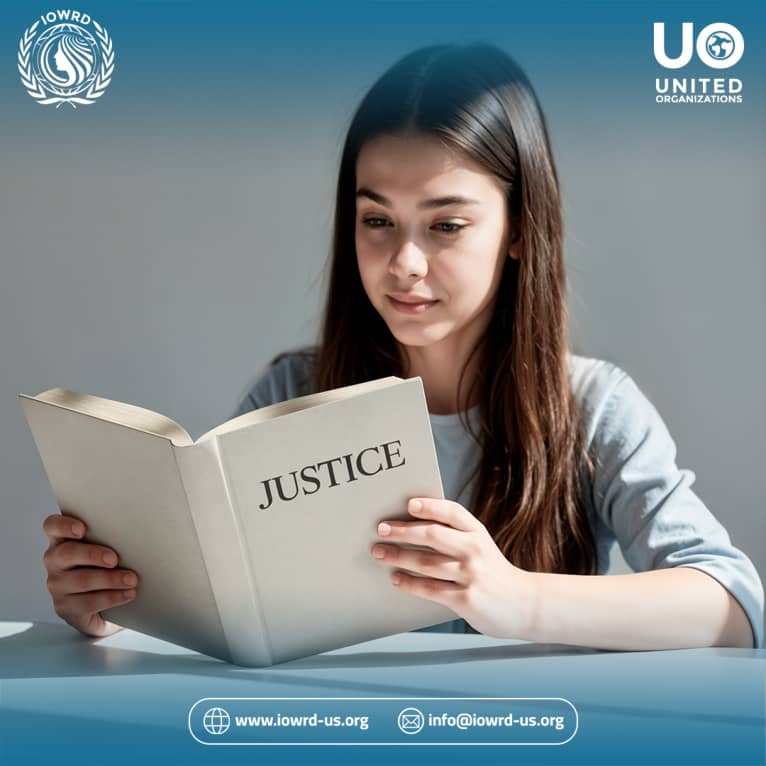
Through its evidence-based legal approach, the organization advocates for amending discriminatory laws and closing legal loopholes in personal status laws and cybercrime laws.
2. Digital Empowerment and Technological Literacy:
It launches specialized programs to educate women on digital security mechanisms and how to protect their financial assets and accounts from hacking and extortion.
3. Free Legal and Psychological Support:
The organization provides safe hotlines and support centers offering legal advice and representation to women who are victims of traditional or cyber violence, with a guarantee of complete confidentiality.
4. Sustainable Economic Empowerment:
It offers vocational training programs and microfinance to help women build independent income, enhancing their financial security and protecting them from economic dependency.
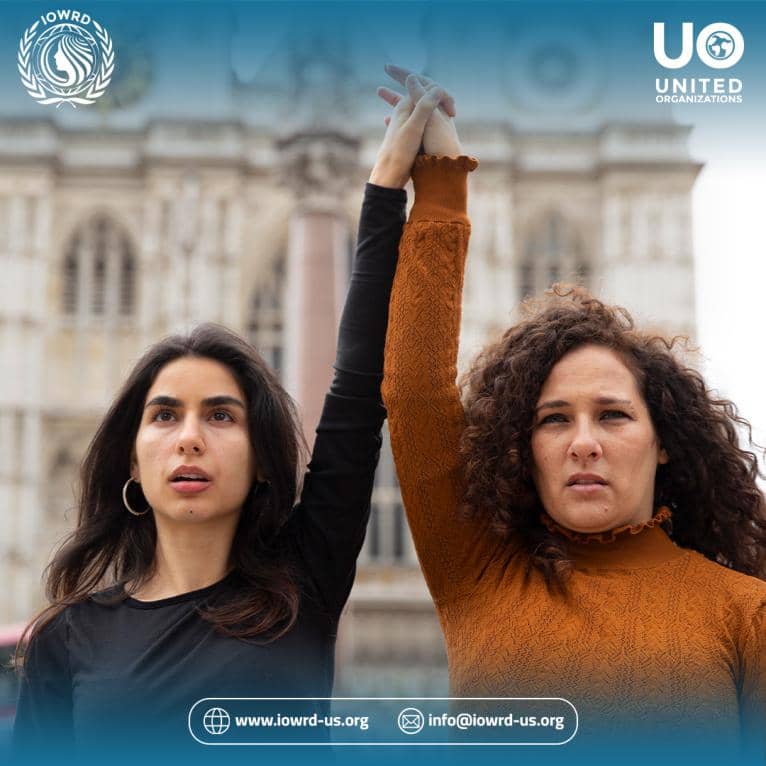
The shift of women’s confinement from the traditional confines of the home to the servers of cyberspace confirms that the struggle for women’s rights continues and requires evolving tools. Protecting women’s financial and legal security is not merely a luxury; it is a fundamental pillar of societal security and sustainable development.
An awareness message for every woman and girl…
* Know your legal rights: Being aware of local and international legislation is your first line of defense against any discrimination or exploitation.
* Secure your digital identity: Treat your data and financial and personal accounts as a fortress whose protection should not be taken lightly; enabling security features such as two-factor authentication and not sharing passwords are the foundation of your digital safety.
* Don’t hesitate to seek support: If you experience any form of cyber extortion or financial harassment, remember that international organizations like IOWRD and local organizations are ready to provide protection and legal and psychological support without prejudice.
Breaking the shackles of the past requires a vigilant and present-day awareness, and building a digital legal framework that protects women’s dignity and independence at all times and in all places.