
Understanding the Change in Reality and Empowerment of Women and Girls
Cultural Relevance
Accountability
Evidence and Results
What We Do?
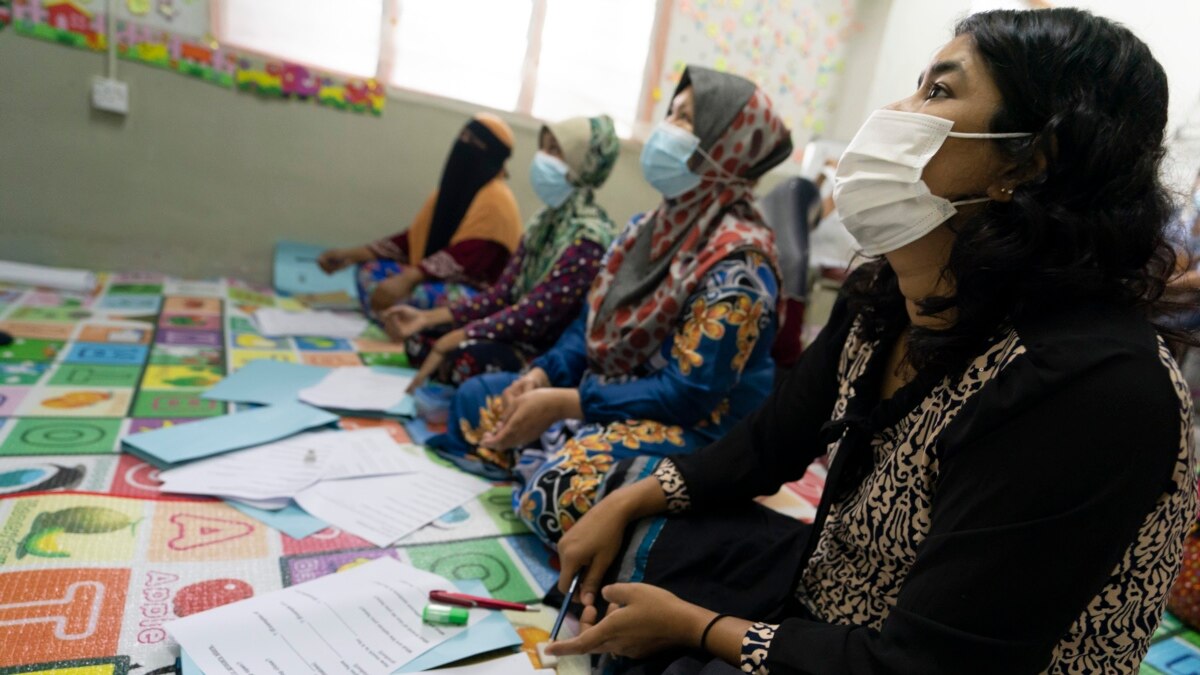
We do not have a marginal category; we work in contexts that require different sensitivities. Therefore, we adapt the language, pace, and platform as needed: a small workshop in a community center, a low-data virtual class, or a radio session reaching a remote village. Our audience is diverse, but our message is one: knowledge translated into a safer and more dignified life.
Knowledge sessions on CEDAW, the national legal framework, and civil, social, and economic rights
Awareness of labor rights: wages, harassment, discrimination, maternity leave, and childcare
Simplifying access to support: how to request legal aid, protection, and social services
Awareness based on IASC and IHO guidelines, including recognizing patterns of violence, safety planning, and support resources
Building community allies: training men, boys, and community and religious leaders on behaviors that support equality
Digital and field behavioral campaigns measuring changes in attitudes, intentions, and behaviors
Skills in communication, conflict resolution, decision-making, and negotiation
Self-confidence and leadership, managing stress and mild trauma with safe referrals for complex cases
Basic financial literacy as a bridge to economic empowerment
Digital literacy: Using devices, email, and remote learning tools
Digital safety: Protecting privacy, preventing online harassment, and verifying misinformation
Open learning: Short-course platforms and participation certificates
Remedial education for girls who have dropped out and support sessions for school reentry
Partnerships with schools and community centers to reduce barriers: documents, transportation, and supplies
Curriculum adaptation to accommodate disabilities, language needs, and refugee requirements
Training teachers and session facilitators on trauma-informed inclusive methodologies
Ready-made training kits: lesson plans, facilitation guides, and banks of interactive activities
Supervision systems, continuous professional development, and session quality assessment
Who We Target and Why?
We place women and girls at the heart of our vision, but we do not work in isolation from the community. Education and awareness thrive only when entire systems move together: families, schools, media, decision-makers, and peers in the digital community. Therefore, we design our programs to intersect different groups rather than compete, and we build trust bridges before any training content.
When words are weighed down by experience, listening becomes the first service. In our spaces, safety and confidentiality take precedence over any content. We integrate legal education with medical and psychological referral pathways, providing practical knowledge on evidence, protection, and available options. The goal is not to retell the pain but to restore agency, step by step.
We approach disability as a matter of justice and design, not as an exception. Our materials come in screen-reader-friendly formats, with sign language translation wherever possible, and slow-paced learning pathways for those who prefer them. When content adapts to the body and mind, participation becomes possible without apology.
Mothers know that the minutes in a day are short. Therefore, we redesign sessions around caregiving hours: short units, condensed content accessible via phone, and nearby play spaces that ease children’s anxiety. Here, education does not conflict with responsibilities; it harmonizes with them.
During the sensitive age between school and the labor market, we provide adolescent girls with a safe space to ask questions that formal curricula often overlook: online privacy boundaries, body image pressures, the language of consent and refusal, and how a small interest can grow into a professional future. These sessions translate into small habits, like a stronger password, a realistic study plan, or the courage to speak up when something goes wrong.
Ready-Made Program Models
Here, we offer a package of ready-to-implement programs that can be adapted to the local context, implementation duration, and team budget. The idea is simple: a program with a clear objective, precise methodology, directly usable tools, and impact measurement indicators from day one. Each model comes with a human-centered learning journey that makes the content part of daily life, not just training material.
How Are These Models Implemented?
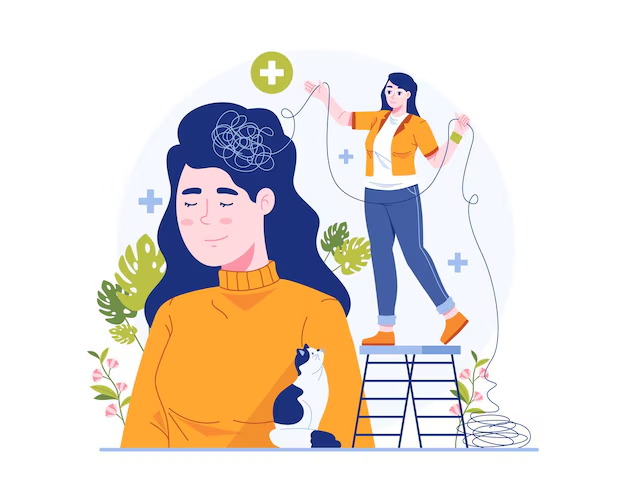
Psychosocial Support and Referrals
A clear pathway for risk identification, confidential initial support, and referral to specialized partners, with safety protocols and follow-up that preserve privacy and dignity.
School as a Safe Environment
Partnership with school administration and teachers to build prevention and reporting policies, train staff, and establish student clubs that drive change and foster a culture of respecting boundaries.
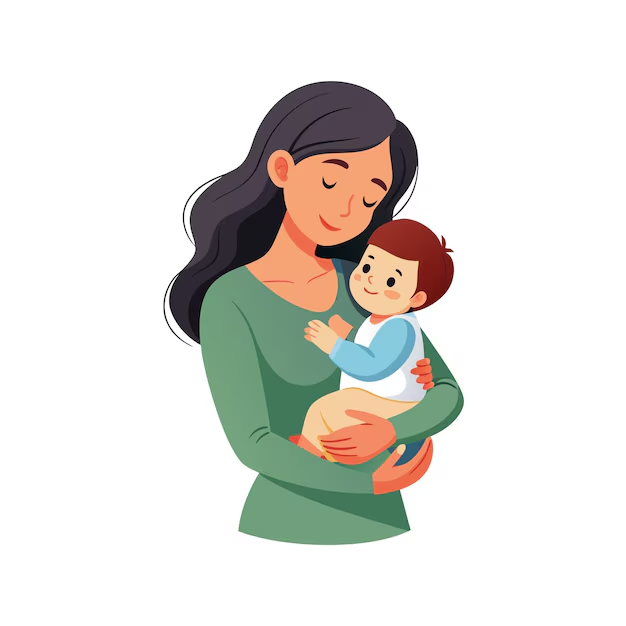
Empowering Mothers and Caregivers
Dialogue sessions and practical tools for parents to understand boundaries and consent, supportive communication, and home safety plans, aiming to unify messages on protecting girls.
Digital Awareness and Safe Presence
Campaigns and digital content girl-friendly, simplifying concepts of consent, harassment, and bullying, along with protection and reporting tools and immediate resources.
