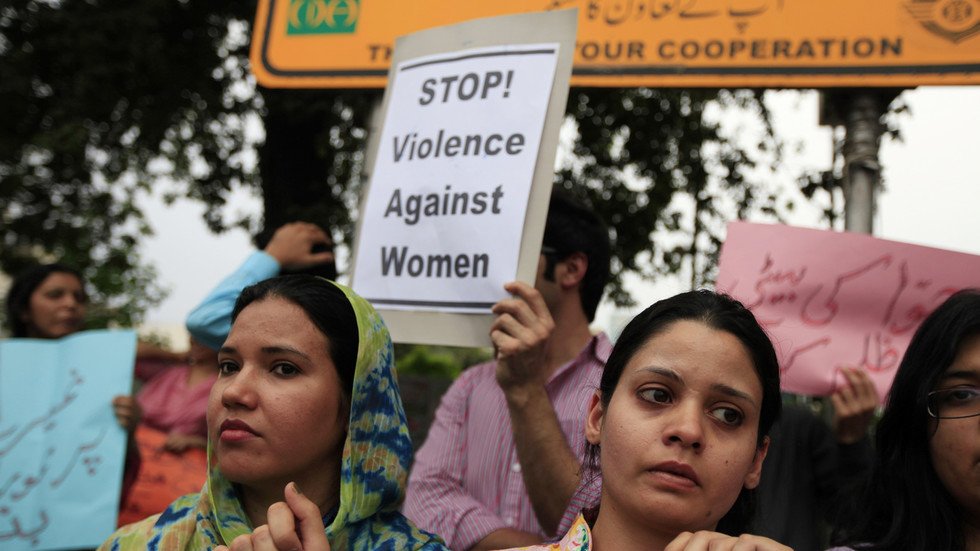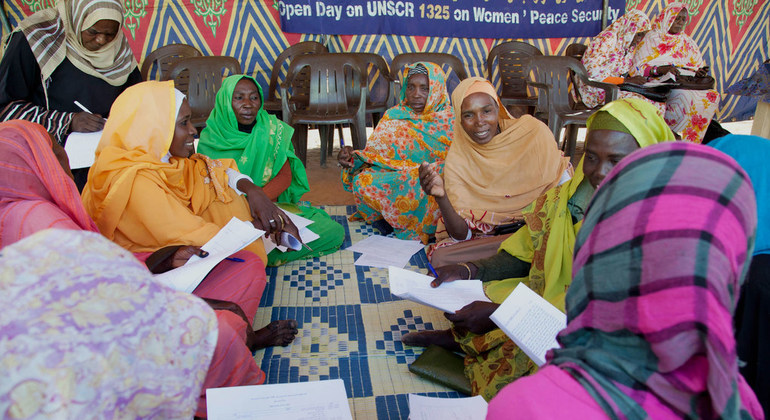

Women’s participation in politics and decision-making remains one of the most prominent indicators of social justice and sustainable development, as it reflects the extent of women’s empowerment and their ability to influence the future of their societies. United Nations data indicates that the percentage of women in parliaments and governments does not exceed 25 percent in many countries, despite their effective contribution to improving social and economic policies and promoting inclusive development.
The importance of women’s political participation
-
Promoting equality and justice: Empowering women ensures fair laws and policies that take into account the needs of all segments of society.
-
Representing women’s and children’s issues: Allows women to advocate for the social, health, educational, and economic rights of marginalized groups.
-
Advancing sustainable development: Women’s participation contributes to building inclusive and stable societies, where policies are more balanced and effective.
Barriers facing women in politics
-
Customs and traditions: Cultural constraints limit women’s visibility in public life and leadership positions.
-
Lack of financial and party support: Many women candidates struggle to secure funding and proper political training.
-
Discrimination and harassment within political institutions: The political environment is often not supportive of women, discouraging them from running and participating.
How to promote women’s political participation
-
Adopt representative quotas: Specific quotas for women in councils and parliaments to ensure fair representation.
-
Training programs for women leaders: Develop women’s leadership and political skills to enable them to compete with confidence and competence.
-
Encourage parties for financial support and training: Provide funding and training for female candidates to ensure equal opportunities in elections.
Women’s participation in politics is not only a human right, but also a cornerstone for achieving just and stable societies, where policies reflect the real aspirations and needs of all members of society and ensure balanced and sustainable development.